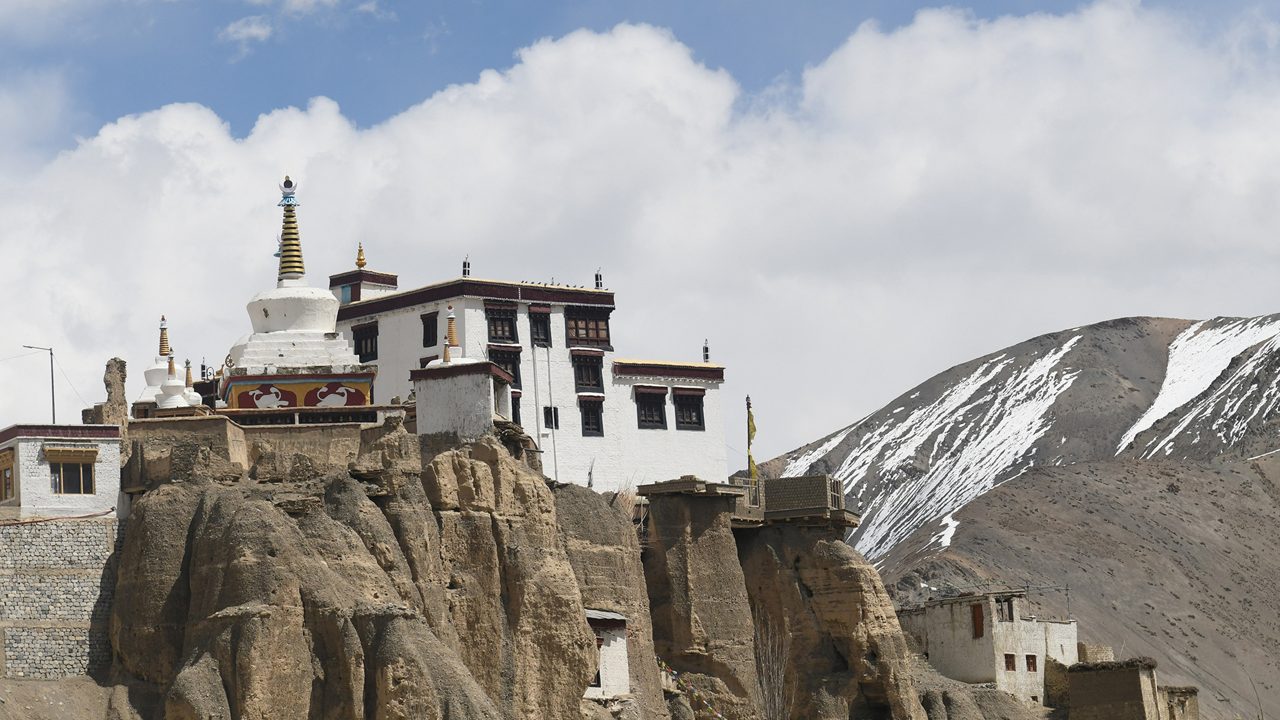
Lamayuru Monastery
115 km west of Leh, this 11th-century site hosts sky-dance festivals amid lunar landscapes.
Moonland landscape
Ancient caves
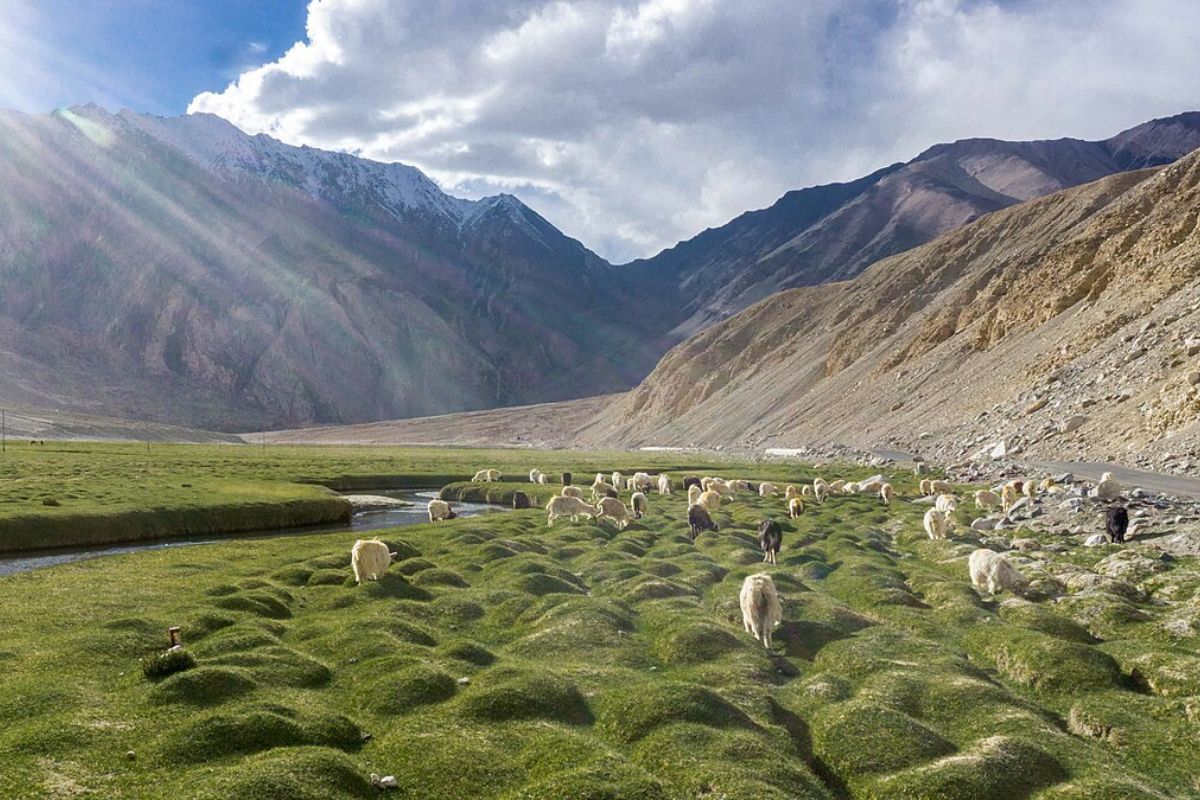
Lamayuru's "Moonland" features eroded hills and ancient Drigungpa caves.
Moonland's Ancient Cave Sanctuary
Perched in eroded moonscape from ancient lakebed, Lamayuru dates to 10th century, with cave hermitages and rare manuscripts. Hemis festival draws masked cham dances. Museum displays artifacts. Roadside views stun en route to Kargil.
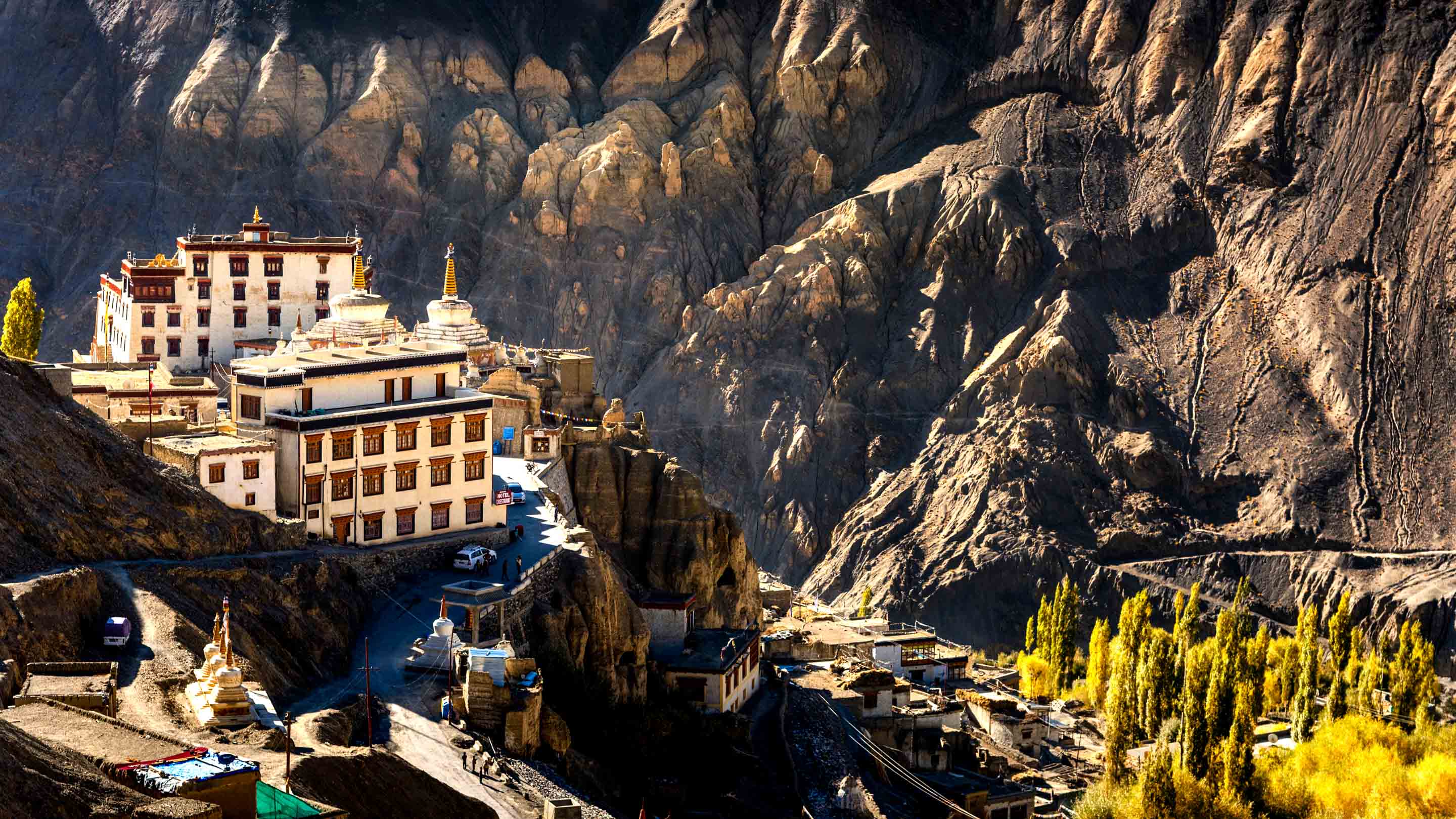
Lamayuru's otherworldly moon craters unfolded before Nina like a cosmic canvas, the 11th-century monastery clinging precariously to eroded hillsides sculpted by eons from an ancient lakebed. Delving into cave hermitages where lamas once meditated lifetimes away, she circled weathered chortens as dust devils swirled counterclockwise blessings, carrying whispers of enlightened masters long dissolved into rainbow light. The stark lunar palette—ochre, umber, lunar white—framed rare manuscripts glowing in museum alcoves like captured auroras.
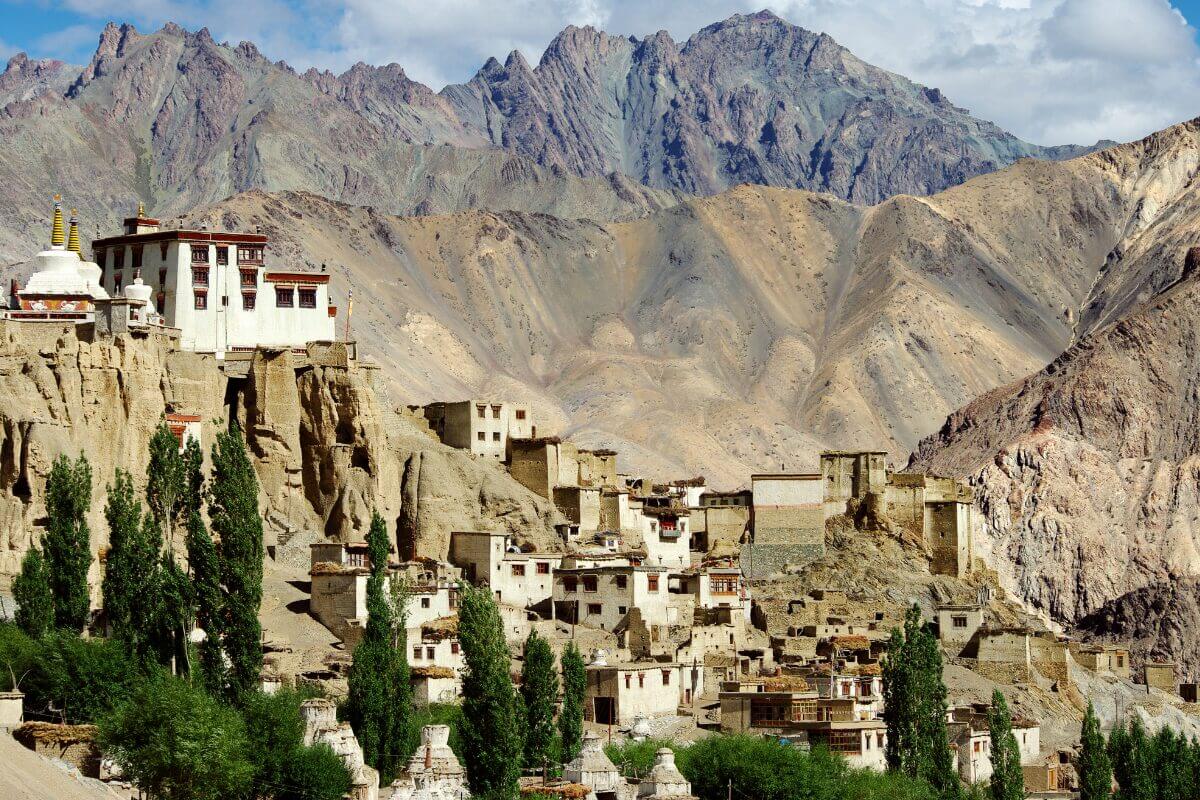
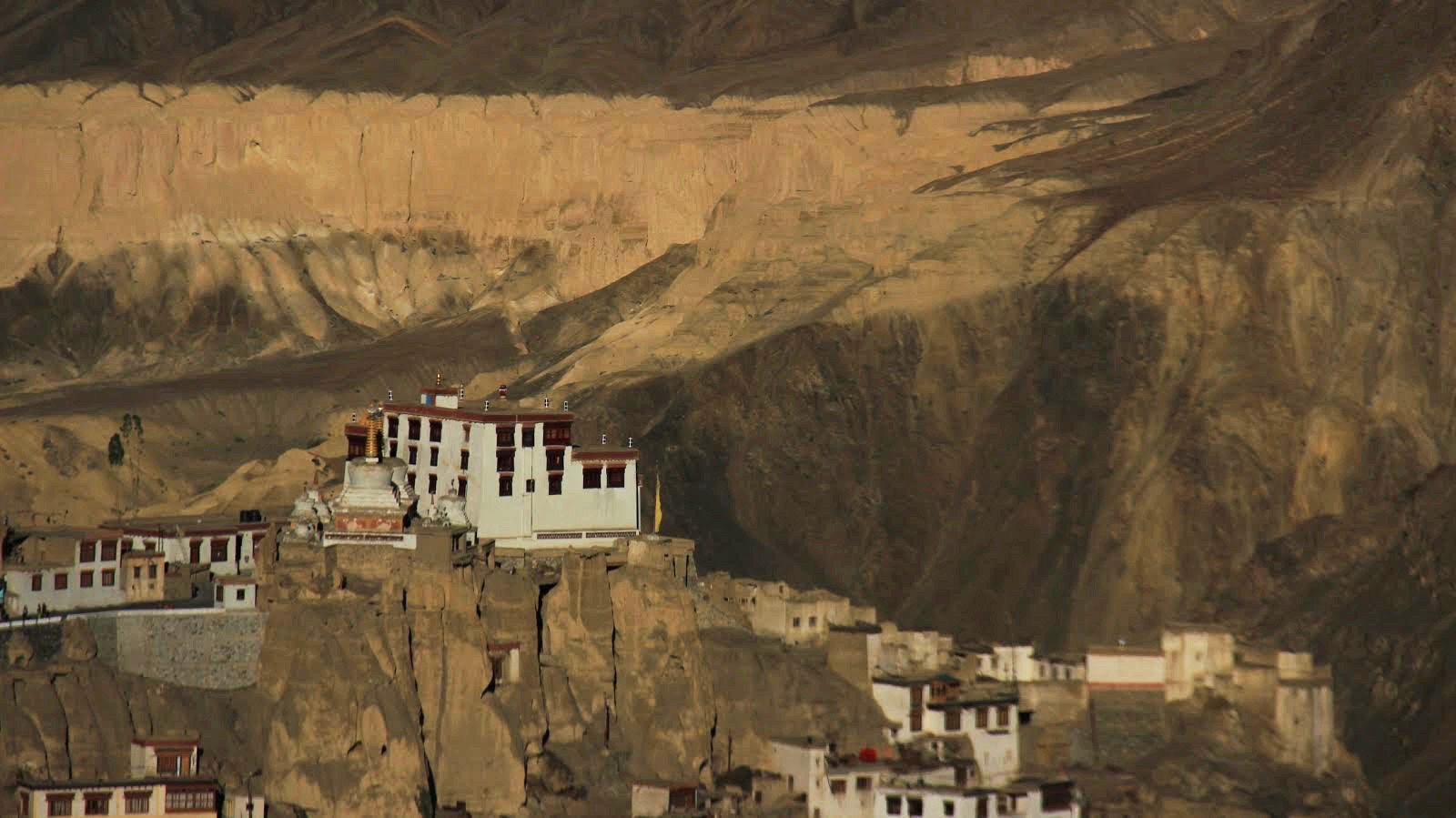
Festival season erupted in sacred thunder: cham dance drums pounding visceral heartbeats, performers twirling in thunderbolt masks and brocade silks, banishing demonic forces with synchronized ferocity that blurred mortal/divine boundaries. Nina swayed entranced amid the crowd, bone-rattling cymbals syncing breath to ritual ecstasy.
Nights in cliffside cells birthed visions; morning circuits revealed prayer flags framing K2-esque passes. Lamayuru's alien terrain awakened Nina's latent wildness, its cave-sanctuary alchemy transforming tourist gaze into pilgrim's quest—dancing freely with moonland spirits, forever unshackled by earth's mundane gravity.
More Destinations
Lamayuru Monastery
115 km west of Leh, this 11th-century site hosts sky-dance festivals amid lunar landscapes.
Moonland landscape
Ancient caves
Lamayuru's "Moonland" features eroded hills and ancient Drigungpa caves.
Moonland's Ancient Cave Sanctuary
Perched in eroded moonscape from ancient lakebed, Lamayuru dates to 10th century, with cave hermitages and rare manuscripts. Hemis festival draws masked cham dances. Museum displays artifacts. Roadside views stun en route to Kargil.
Lamayuru's otherworldly moon craters unfolded before Nina like a cosmic canvas, the 11th-century monastery clinging precariously to eroded hillsides sculpted by eons from an ancient lakebed. Delving into cave hermitages where lamas once meditated lifetimes away, she circled weathered chortens as dust devils swirled counterclockwise blessings, carrying whispers of enlightened masters long dissolved into rainbow light. The stark lunar palette—ochre, umber, lunar white—framed rare manuscripts glowing in museum alcoves like captured auroras.
Festival season erupted in sacred thunder: cham dance drums pounding visceral heartbeats, performers twirling in thunderbolt masks and brocade silks, banishing demonic forces with synchronized ferocity that blurred mortal/divine boundaries. Nina swayed entranced amid the crowd, bone-rattling cymbals syncing breath to ritual ecstasy.
Nights in cliffside cells birthed visions; morning circuits revealed prayer flags framing K2-esque passes. Lamayuru's alien terrain awakened Nina's latent wildness, its cave-sanctuary alchemy transforming tourist gaze into pilgrim's quest—dancing freely with moonland spirits, forever unshackled by earth's mundane gravity.
More Destinations
Lamayuru Monastery
115 km west of Leh, this 11th-century site hosts sky-dance festivals amid lunar landscapes.
Moonland landscape
Ancient caves
Lamayuru's "Moonland" features eroded hills and ancient Drigungpa caves.
Moonland's Ancient Cave Sanctuary
Perched in eroded moonscape from ancient lakebed, Lamayuru dates to 10th century, with cave hermitages and rare manuscripts. Hemis festival draws masked cham dances. Museum displays artifacts. Roadside views stun en route to Kargil.
Lamayuru's otherworldly moon craters unfolded before Nina like a cosmic canvas, the 11th-century monastery clinging precariously to eroded hillsides sculpted by eons from an ancient lakebed. Delving into cave hermitages where lamas once meditated lifetimes away, she circled weathered chortens as dust devils swirled counterclockwise blessings, carrying whispers of enlightened masters long dissolved into rainbow light. The stark lunar palette—ochre, umber, lunar white—framed rare manuscripts glowing in museum alcoves like captured auroras.
Festival season erupted in sacred thunder: cham dance drums pounding visceral heartbeats, performers twirling in thunderbolt masks and brocade silks, banishing demonic forces with synchronized ferocity that blurred mortal/divine boundaries. Nina swayed entranced amid the crowd, bone-rattling cymbals syncing breath to ritual ecstasy.
Nights in cliffside cells birthed visions; morning circuits revealed prayer flags framing K2-esque passes. Lamayuru's alien terrain awakened Nina's latent wildness, its cave-sanctuary alchemy transforming tourist gaze into pilgrim's quest—dancing freely with moonland spirits, forever unshackled by earth's mundane gravity.